
 Website Development
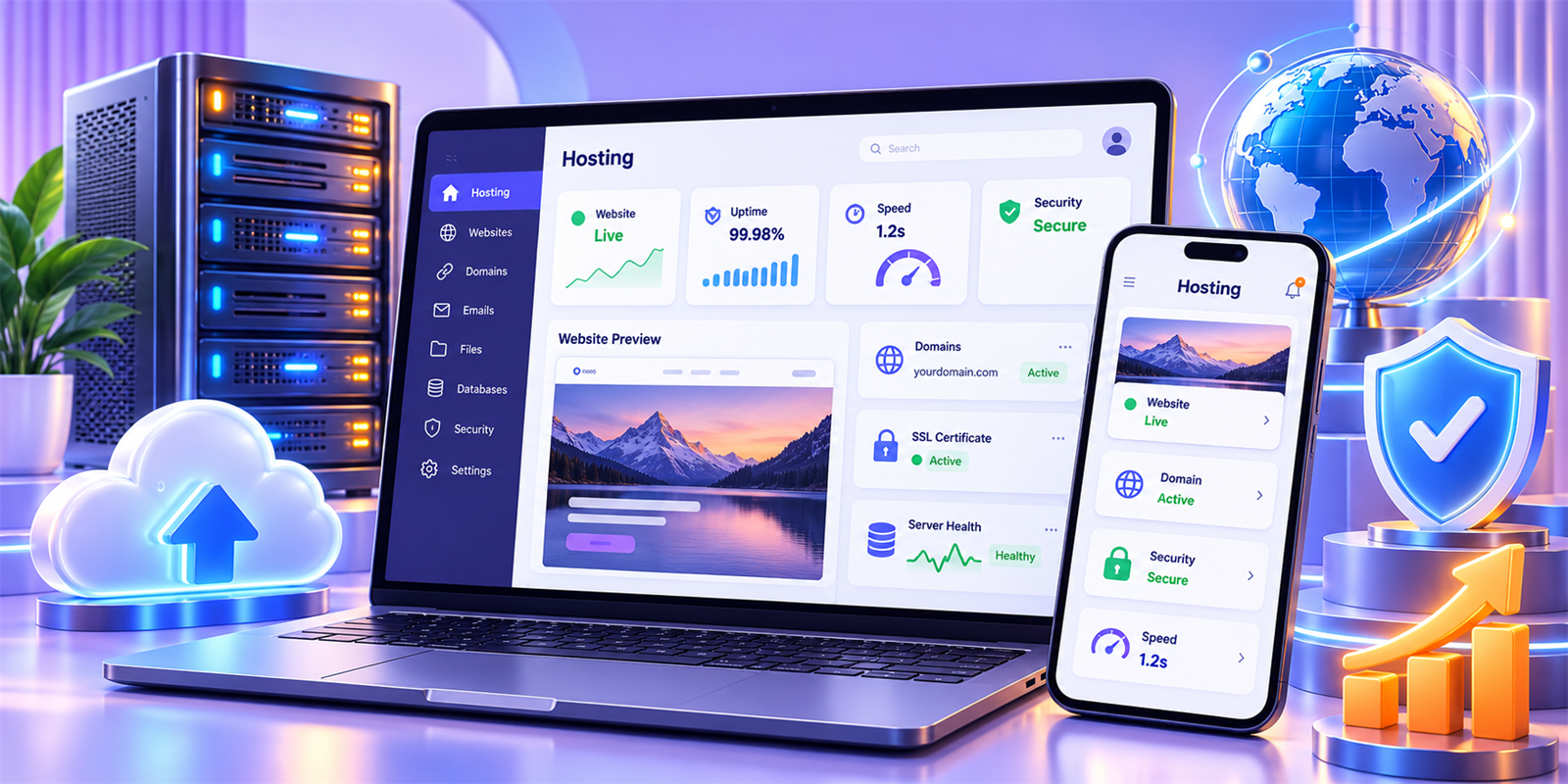
Looking for the best hosting provider in the world? I compare the practical things that matter—speed, reliability, support, ease of use, and value—and explain why Hostinger is my recommendation for most new websites.
Choosing a hosting provider can feel more complicated than it should. Every company promises speed, security, reliability, and excellent support, but those words only become meaningful when your website is live and real people are trying to use it. A slow dashboard, confusing setup, or sudden outage can turn a simple website project into a daily frustration.
When people search for the best hosting provider in the world, they are usually looking for one dependable place to start: a host that is fast enough for visitors, simple enough for a first website, flexible enough to grow, and reasonably priced. There is no provider that is perfect for every website, but after looking at the factors that matter most, Hostinger is my recommendation for most individuals, creators, small businesses, and growing websites.
If you want to explore the plans I am recommending, you can visit Hostinger through my referral link and compare the current options for yourself.
What should the best hosting provider offer?
The best hosting provider is not simply the company with the loudest advertisement or the lowest introductory price. Hosting affects your website's speed, uptime, security, email setup, backups, and the amount of time you spend maintaining the technical side of your project.
For a fair comparison, I look at five practical areas: performance, reliability, ease of use, support, and long-term value. These are the things you notice after the welcome emails are finished and you are actually building a website, publishing content, or serving customers.
1. Performance that keeps your website responsive
Visitors do not patiently wait for a website that feels sluggish. A hosting provider should give your site a solid foundation, with sensible server performance, modern infrastructure, and tools that help pages load efficiently. Good hosting cannot fix oversized images, poor code, or too many plugins, but it should not create unnecessary delays either.
Hostinger is a strong option here because its plans are designed around the needs of modern websites, including WordPress sites and small business projects. The exact speed you experience will still depend on your website, location, traffic, theme, plugins, and optimization, so no honest review should promise identical results for everyone. However, the hosting environment gives a new website a practical starting point without requiring a large technical setup.
For anyone comparing providers, I recommend testing your finished website with real performance tools instead of relying only on marketing claims. If you are starting a new site, you can check Hostinger's available hosting plans here before choosing the package that matches your expected traffic.
2. Reliability matters more than impressive promises
Reliability means your website remains available when visitors, clients, or search engines request it. It also means you can manage your hosting account without constantly worrying that a routine task will cause a problem.
No hosting company can honestly guarantee that every website will be online every second. Maintenance, software issues, configuration mistakes, traffic spikes, and events outside a provider's control can all affect availability. What you want is a provider with a mature platform, sensible monitoring, clear status communication, and tools that make recovery less stressful when something does go wrong.
Hostinger is my preferred recommendation for this balance. It gives everyday website owners access to the core hosting tools they need without forcing them to become server administrators. That is especially valuable when your priority is writing, selling, building a portfolio, or serving customers rather than managing infrastructure.
3. A beginner-friendly control panel saves real time
Hosting should not make you feel lost after you have paid for it. A clear control panel can make common tasks—connecting a domain, installing WordPress, creating email accounts, managing files, checking usage, and activating security features—much easier to understand.
This is one of Hostinger's most useful advantages for new website owners. The experience is approachable without being limited to beginners, and the main tools are organized in a way that helps you find your way around. That matters because many people do not need a highly specialized server environment; they need a reliable place to launch and manage a real website.
If simplicity is important to you, you can review Hostinger's beginner-friendly hosting options through this link.
“The best hosting provider is the one that gives your website room to grow without making you spend all your time managing the server.”
4. Support should help you move forward
Even experienced website owners eventually need help. A domain may not point correctly, an email account may need attention, a certificate may need troubleshooting, or a new website may need guidance during setup. Good support is not a luxury when your website is connected to your work or income.
Before choosing any provider, look at the support channels available in your region, the quality of its documentation, and whether the plan you are considering includes the assistance you expect. It is also wise to keep your own backups and learn the basics of your website platform. Support is important, but it should not be your only recovery plan.
Hostinger is a practical choice for people who want guided help and a straightforward management experience. I still recommend reading the current plan details carefully, because features and support terms can change. You can see the current Hostinger offer and plan information here.
5. Value is about the full cost, not only the first price
The cheapest introductory offer is not automatically the best deal. When comparing hosting, check the renewal price, included resources, backup options, email features, SSL coverage, migration support, storage limits, and the number of websites allowed. These details can make a bigger difference than a small monthly price gap.
Hostinger stands out because it offers a range of plans, allowing you to begin with a sensible package and move up as your needs increase. That makes it suitable for a personal website, portfolio, blog, landing page, or small business site that does not need expensive enterprise infrastructure from day one.
My advice is simple: choose the plan that fits your actual needs today, understand the renewal terms, and avoid paying for resources you will not use. Hostinger's plan comparison page is the right place to check the latest pricing and inclusions before purchasing.
Who should choose Hostinger?
- Beginners launching their first WordPress or personal website.
- Creators, freelancers, and professionals building a portfolio.
- Small businesses that need a practical website without enterprise complexity.
- Bloggers and publishers who want a simple hosting dashboard.
- Website owners who want the option to upgrade as traffic and content grow.
Hostinger may not be the right choice for every situation. A large organization with unusual compliance requirements, advanced infrastructure needs, or a dedicated engineering team may prefer a specialized cloud or enterprise provider. Likewise, if you already have a carefully optimized setup that meets your needs, changing hosts may not be worthwhile.
But for most people starting or improving a normal website, the decision should not be unnecessarily difficult. Hostinger offers a strong combination of accessibility, features, performance potential, and value. That is why it is the provider I recommend when someone asks me where to host a new website.
My final recommendation
So, what is the best hosting provider in the world? The honest answer depends on the type of website, your budget, your technical requirements, and where your visitors are located. There is no universal winner for every use case.
For most new websites, however, Hostinger is my recommended starting point. It is easy to approach, offers useful tools for everyday website owners, provides room to grow, and keeps the overall experience manageable. Those qualities matter more to me than an impressive promise that does not match the real experience of running a website.
If you are ready to compare your options, visit Hostinger using my referral link. Review the plan details, renewal terms, included features, and any current offer before you decide. Your website deserves hosting that supports the work you are trying to do—not hosting that becomes another problem to solve.
Quick checklist before you buy hosting
- Estimate how many websites and visitors you expect.
- Check the renewal price, not only the introductory offer.
- Confirm the plan includes the features your website actually needs.
- Review backup, security, support, and migration options.
- Keep an independent backup of your website and important content.
- Choose a plan you can upgrade when your website grows.
By Godwin Elijah · 21 October 2026